Skip to content

Managed care

The purchase is only one part of the story.

This explanation matters because many buyers want clearer understanding of who handles what after purchase.
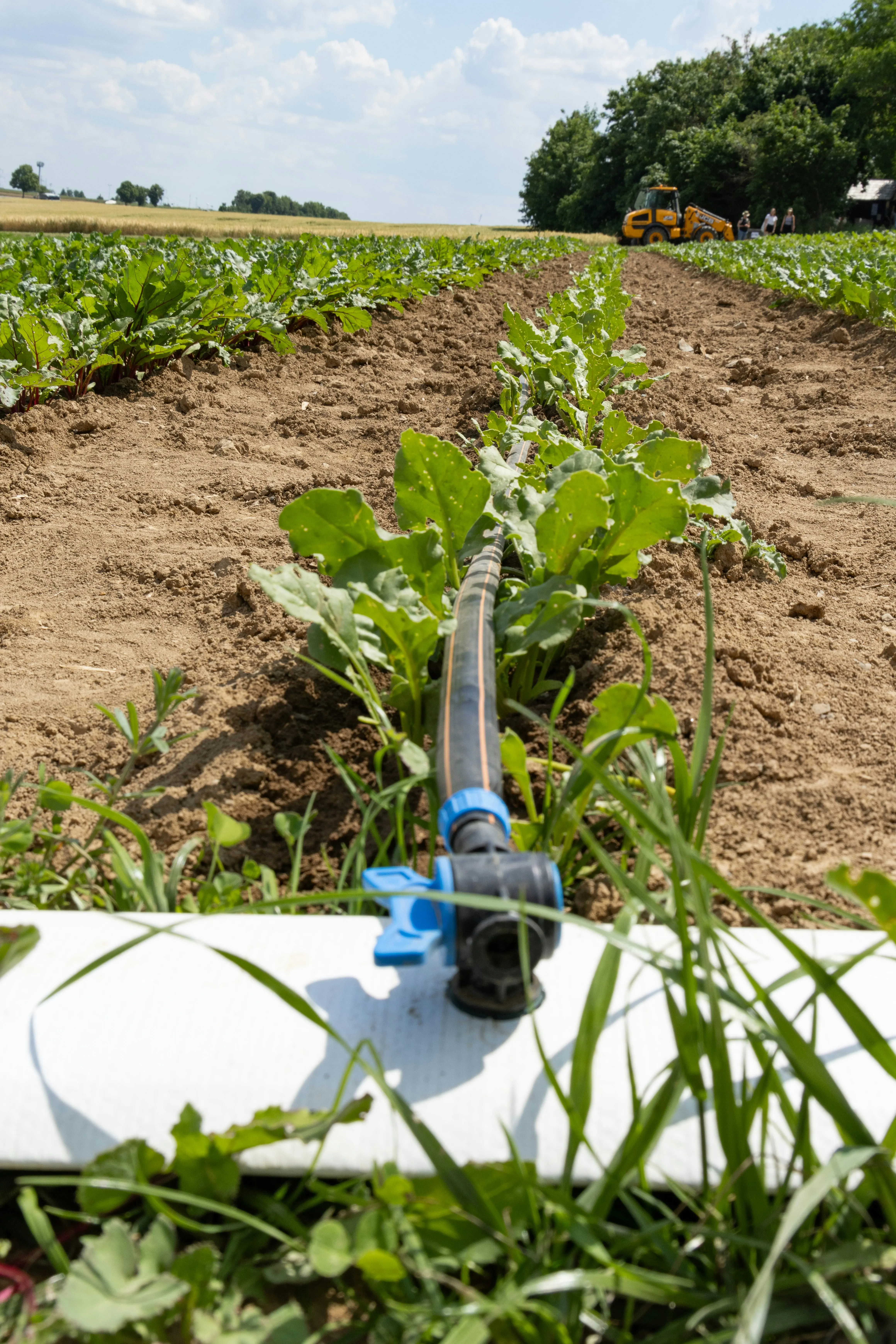
Irrigation pipes running through an organic field, showing the managed care system on a farmland plot

Stewardship

The operating continuity after purchase is what makes this model believable.

The source material consistently emphasizes a post-purchase care layer. That includes irrigation thinking, plantation upkeep, soil support, crop rhythm, and harvest continuity.

Water systems

Source material points to borewell support, drip irrigation, and farm water planning as part of the managed-care story.

Soil and crop care

Mulching, seasonal crop planning, and plantation upkeep position the farmland as an actively managed agricultural asset.

Harvest and produce

The long-term value is not only land ownership, but also fresh produce, harvest visibility, and a farm-to-family connection.

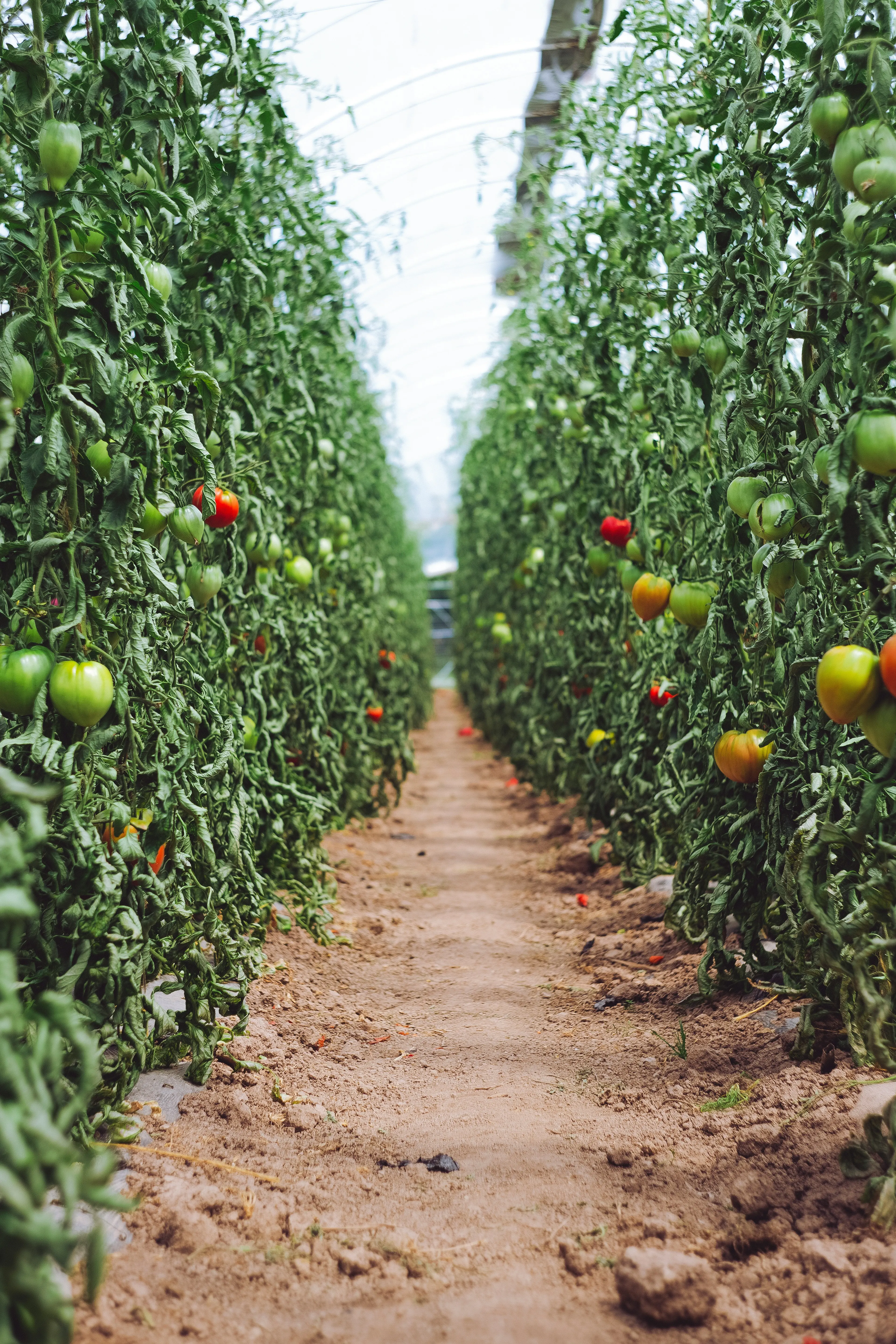
A pathway through a tomato field on managed farmland near Ranchi, showing active crop care

After you own

The farm stays active so you do not have to.

After purchase, the operating team handles planting, watering, soil care, and seasonal crop rhythms. The managed farmland stays productive while you continue your regular life.

An assorted bundle of fresh vegetables from a managed farmland harvest near Ranchi
Farm-grown produce

Care questions

What buyers ask about managed farming.

What is the managed-care layer meant to do?

+

It is meant to keep the agricultural side active and understood after purchase, so the farmland relationship does not collapse into absentee uncertainty.

What is this model not promising publicly yet?

+

It is not using aggressive public claims around guaranteed returns, mature community amenities, or any live-proof surface that has not yet been explicitly cleared.

Clarity first

Care should be structured, not vague.

The more clearly the ongoing support layer is described before commitment, the easier it is for buyers to trust the model without imagining guarantees that were never offered.